
The Importance of Cultural Sensitivity in Global Marketing: The Barbenheimer Phenomenon
In 2023, the world witnessed a unique cultural phenomenon: the simultaneous release of two blockbuster films, Barbie and Oppenheimer. The contrast between the two films—one light and fun, the other dark and serious—created a stir on social media.
In Japan, the Barbenheimer phenomenon was met with mixed reactions. On the one hand, many people were excited to see two major films released at the same time. On the other hand, some people were uncomfortable with the juxtaposition of the two films, especially Oppenheimer, which deals with the atomic bomb. The atomic bomb is a sensitive topic in Japan, as the country was devastated by the bombs dropped on Hiroshima and Nagasaki in 1945. Many Japanese people still feel the effects of the bombs today, and they are understandably wary of any marketing campaign that could be seen as a trivialisation of nuclear weapons.
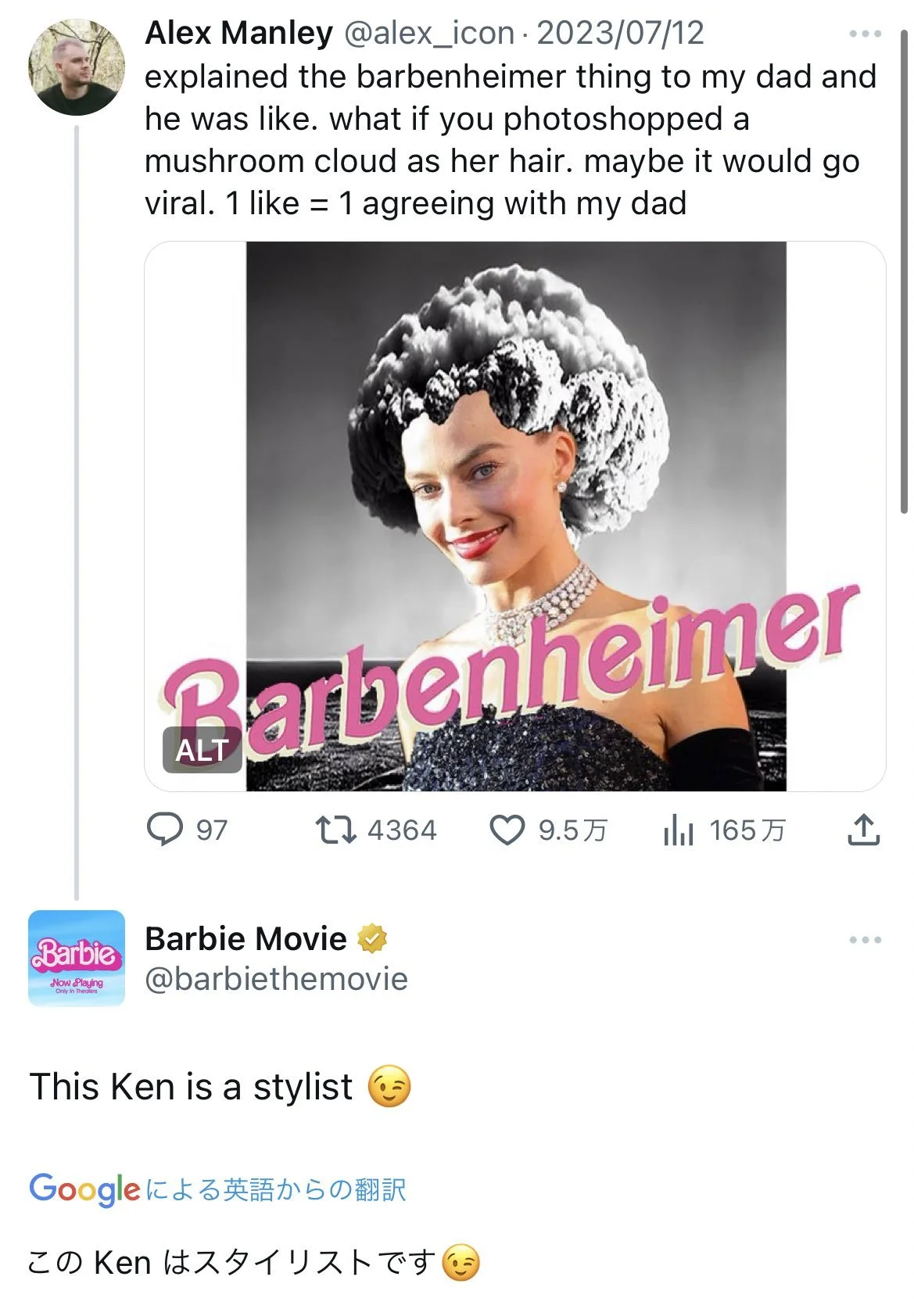
Some of the tweets regarding Barbenheimer were reposted by Warner Bros US, leaving people concerned by the distasteful humour and lack of awareness of their social media reach.
Warner Bros. Japan released a statement criticizing the studio’s US branch for feeding into the Barbenheimer craze on social media, leading to the hashtag #NoBarbenheimer trending in the country in recent days.
Warner Bros US responded to the criticism: “Warner Brothers regrets its recent insensitive social media engagement. The studio offers a sincere apology.”
However, the Barbenheimer phenomenon showed that even the most well-intentioned global marketing campaigns can be read differently by different cultures. The films are now planned to be released on different days in Japan, leaving Nolan’s blockbuster still without an official release date for Japanese theatres.
The Buzz Lightyear Example
One way to be culturally sensitive when marketing to different cultures is to adapt your media content to the target audience. Being culturally sensitive goes beyond what’s politically correct or a mere attempt to please everyone. Being aware of the reach and the target audience when working in media can involve changing the names of characters or places, changing the plot or setting of the story, or changing the dialogue to make it more appropriate for the target audience.
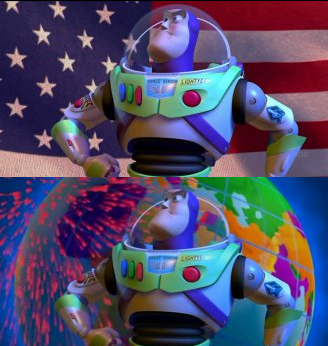
For example, in the 1998 Toy Story, the character Buzz Lightyear gives a motivational speech to the other toys. In the US version of the film, the speech is set against a backdrop of the American flag, while in the overseas DVD edition, the background is changed to a globe. This change was made to make the scene more relevant to audiences outside of the US, who may not have the same connection to the American flag.
UX Designer Takeaways
UX designers can also play a role in ensuring that media stay culturally sensitive. Here are some tips for UX designers:
Take the time to understand the values, beliefs, and customs of your target audience.
Be mindful of symbols and imagery that may have different meanings in different cultures. Avoid using symbols or imagery that could be offensive or misinterpreted.
Get feedback from people from different cultures.
Work with a diverse team of designers and creatives. This will help you to get a diverse perspective on your campaign.
My takeaways
The Barbenheimer phenomenon is a cautionary tale for businesses that are looking to expand their global reach. By failing to take into account the cultural sensitivities of their target audience, businesses can risk alienating potential customers and damaging their brand.
In the future, as businesses continue to expand their global reach, it will become increasingly important to be culturally sensitive when marketing to different cultures. By following the tips in this article, businesses can avoid the pitfalls of the Barbenheimer phenomenon and ensure that their marketing campaigns are both effective and culturally sensitive.